

Roosevelt Encounters Africa
Story Synopsis: The Theodore Roosevelt-Smithsonian Expedition between 1909 and 1910 was the most publicized scientific expedition in history. With a team of over 250 East Africa porters and conservationists, Roosevelt collected over 11,000 animals and more than 5,000 plants. It would take more than ten years to catalogue the findings.
The specimens are still in Washington, DC. But as Roosevelt travelled throughout Kenya and Uganda, his perception of African societies and cultures were permanently altered. He was inspired by the resiliency of coastal Kenyans in the face of Arab slavery. In central and western Kenya, he learned Swahili words for African animals and was amazed by the region's complex societies.
Once in Uganda, Roosevelt was shocked by the power and deep history of Uganda's kingdoms, which were hundreds of years older than the United States.
Ankole herders introduced him to the vital role that cattle had played in the region's economy. In Bunyoro, he marveled at the ecosystem of Kabalega National Park, which possesses the world's most powerful waterfall. In Ajai and northern Uganda, he learned from local chiefs, while attending culturalevents including a funeral.
After leaving East Africa, Roosevelt would abandon his own political party to launch the largest three-party election in American history, focusing on the rights of African Americans.
Roosevelt's vision for scientific discovery and racial progress had been given new life across Kenya and Uganda. One hundred and ten years later, these specimens continue to provide scientific data for habitat ecosystem restorations.


View documentary teaser

News

US Announces $1.2b Uganda Roosevelt Africa Trail Pipeline
The United States has named the Roosevelt Africa Trail as the first deal under its new Trade Over Aid framework, advancing an indicative $1.2 billion investment pipeline for Uganda during the 81st UN General Assembly in New York. Unveiled at a high-level showcase hosted by US Deputy Secretary of State Christopher Landau, the initiative gathered senior US and African officials, financing institutions and investors around a shift toward trade, investment and commercially sustainable partnerships. The $1.2 billion figure covers the Uganda leg alone, with Kenya and South Sudan expected to develop their own pipelines. Uganda's delegation included Foreign Affairs Minister Adonia Ayebare and Roosevelt Africa Trail leadership.
US Announces $1.2b Uganda Roosevelt Africa Trail Pipeline
New Vision
-
September 2026
The United States has named the Roosevelt Africa Trail as the first deal under its new Trade Over Aid framework, advancing an indicative $1.2 billion investment pipeline for Uganda during the 81st UN General Assembly in New York. Unveiled at a high-level showcase hosted by US Deputy Secretary of State Christopher Landau, the initiative gathered senior US and African officials, financing institutions and investors around a shift toward trade, investment and commercially sustainable partnerships. The $1.2 billion figure covers the Uganda leg alone, with Kenya and South Sudan expected to develop their own pipelines. Uganda's delegation included Foreign Affairs Minister Adonia Ayebare and Roosevelt Africa Trail leadership.
Read the full article →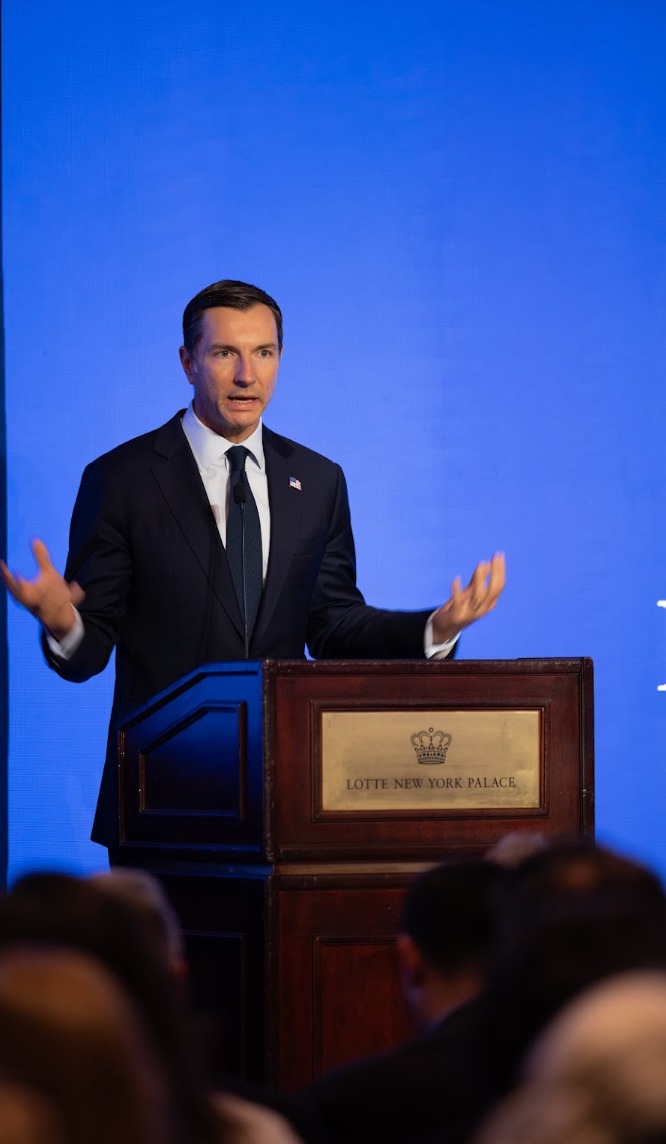
U.S. Unveils Uganda's Roosevelt Africa Trail as First Trade Over Aid Deal
The United States has named Uganda's Roosevelt Africa Trail as the first project under its new "Trade Over Aid" framework, placing an indicative $1.2 billion pipeline of Ugandan projects before American investors and financing institutions. Announced at a showcase during the UN General Assembly in New York, the pipeline covers tourism, hospitality, digital infrastructure, a heritage museum and a coffee value-addition venture — all tied to Theodore Roosevelt's 1909–1910 East African expedition. The figure is an indicative total, not committed funding, with individual projects still requiring feasibility studies and financing approval.
U.S. Unveils Uganda's Roosevelt Africa Trail as First Trade Over Aid Deal
SoftPower News
-
September 2026
The United States has named Uganda's Roosevelt Africa Trail as the first project under its new "Trade Over Aid" framework, placing an indicative $1.2 billion pipeline of Ugandan projects before American investors and financing institutions. Announced at a showcase during the UN General Assembly in New York, the pipeline covers tourism, hospitality, digital infrastructure, a heritage museum and a coffee value-addition venture — all tied to Theodore Roosevelt's 1909–1910 East African expedition. The figure is an indicative total, not committed funding, with individual projects still requiring feasibility studies and financing approval.
Read the full article →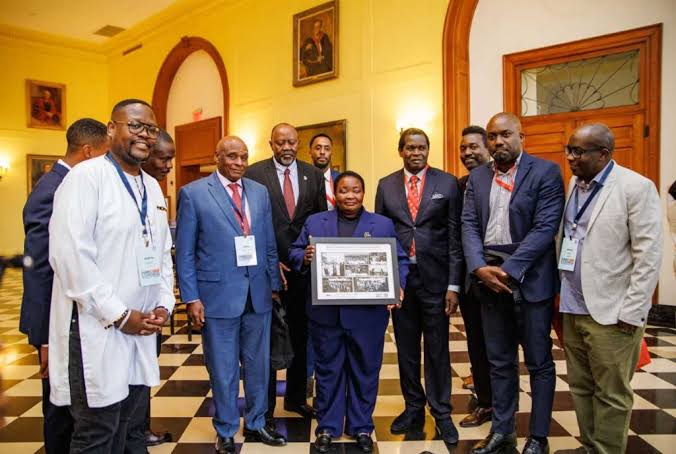
Uganda Turns a 1909 Expedition Into a Trade and Tourism Platform
Roosevelt's 1909 expedition through Buganda, Bunyoro, and Murchison Falls is becoming a 1,000-mile heritage trail — and a platform for Ugandan tourism, coffee, and trade in the US.
Uganda Turns a 1909 Expedition Into a Trade and Tourism Platform
Daily Monitor
-
June 2026
Roosevelt's 1909 expedition through Buganda, Bunyoro, and Murchison Falls is becoming a 1,000-mile heritage trail — and a platform for Ugandan tourism, coffee, and trade in the US.
Read the full article →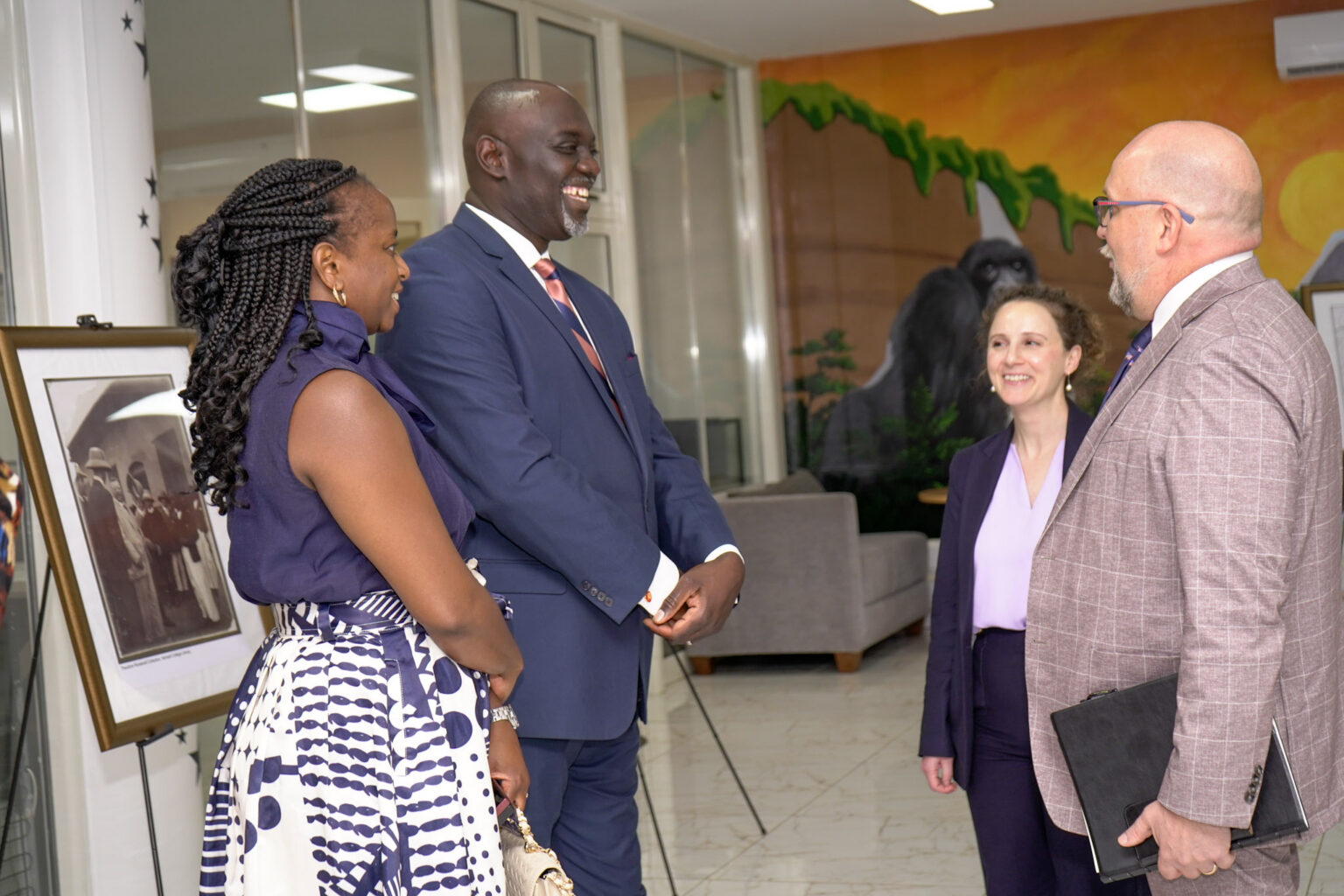
Roosevelt in Uganda: Tracing a Shared History
Scholars, scientists, and diplomats gathered at the American Center with members of the Buganda Kingdom to revisit Theodore Roosevelt's 1909 East African expedition and the century of U.S.–Uganda encounters that followed. The conversation came as the United States marks 250 years of independence and Uganda prepares to open the Roosevelt Heritage Trail.
Roosevelt in Uganda: Tracing a Shared History
Ugandan Embassy
-
June 2026
Scholars, scientists, and diplomats gathered at the American Center with members of the Buganda Kingdom to revisit Theodore Roosevelt's 1909 East African expedition and the century of U.S.–Uganda encounters that followed. The conversation came as the United States marks 250 years of independence and Uganda prepares to open the Roosevelt Heritage Trail.
Read the full article →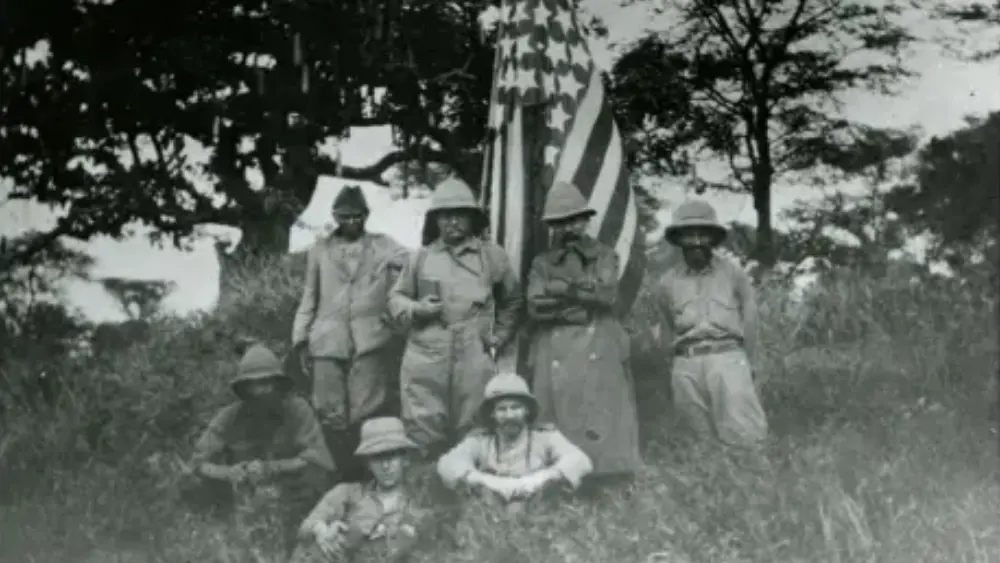
Ugandan delegation praises Theodore Roosevelt’s visit to their country during Medora visit
MEDORA, N.D. – From 1909 to 1910, former President Theodore Roosevelt went to modern day Uganda, Kenya, Congo and South Sudan backed by the Smithsonian Institution to gather thousands of plant and animal specimens and catalogue them for future generations.
Ugandan delegation praises Theodore Roosevelt’s visit to their country during Medora visit
Bakken Buzz Newspaper
-
June 2026
MEDORA, N.D. – From 1909 to 1910, former President Theodore Roosevelt went to modern day Uganda, Kenya, Congo and South Sudan backed by the Smithsonian Institution to gather thousands of plant and animal specimens and catalogue them for future generations.
Read the full article →
Uganda Launches Roosevelt Rhino Campaign in US to Boost Conservation Diplomacy
Uganda has launched the Roosevelt Rhino Campaign in the United States, positioning wildlife conservation as a bridge for strengthening US-Uganda relations. At a hybrid event hosted at Uganda's UN Mission, a live link from Ziwa Rhino Sanctuary revealed a three-year-old rhino cub named "Roosevelt," set to be officially christened in October 2026 at Ajai Wildlife Reserve.
Central to the campaign is A Rhino Named Roosevelt, a children's book developed with NABU publishers to promote conservation education along the historic Roosevelt Africa Trail. The initiative aims to raise USD 5 million for rhino rewilding and community development.
Uganda Launches Roosevelt Rhino Campaign in US to Boost Conservation Diplomacy
Uganda Mirror
-
December 2025
Uganda has launched the Roosevelt Rhino Campaign in the United States, positioning wildlife conservation as a bridge for strengthening US-Uganda relations. At a hybrid event hosted at Uganda's UN Mission, a live link from Ziwa Rhino Sanctuary revealed a three-year-old rhino cub named "Roosevelt," set to be officially christened in October 2026 at Ajai Wildlife Reserve.
Central to the campaign is A Rhino Named Roosevelt, a children's book developed with NABU publishers to promote conservation education along the historic Roosevelt Africa Trail. The initiative aims to raise USD 5 million for rhino rewilding and community development.
Read the full article →Gallery


Quick links
Trail
Documentary
Agri Hub
News
Contact
social media